

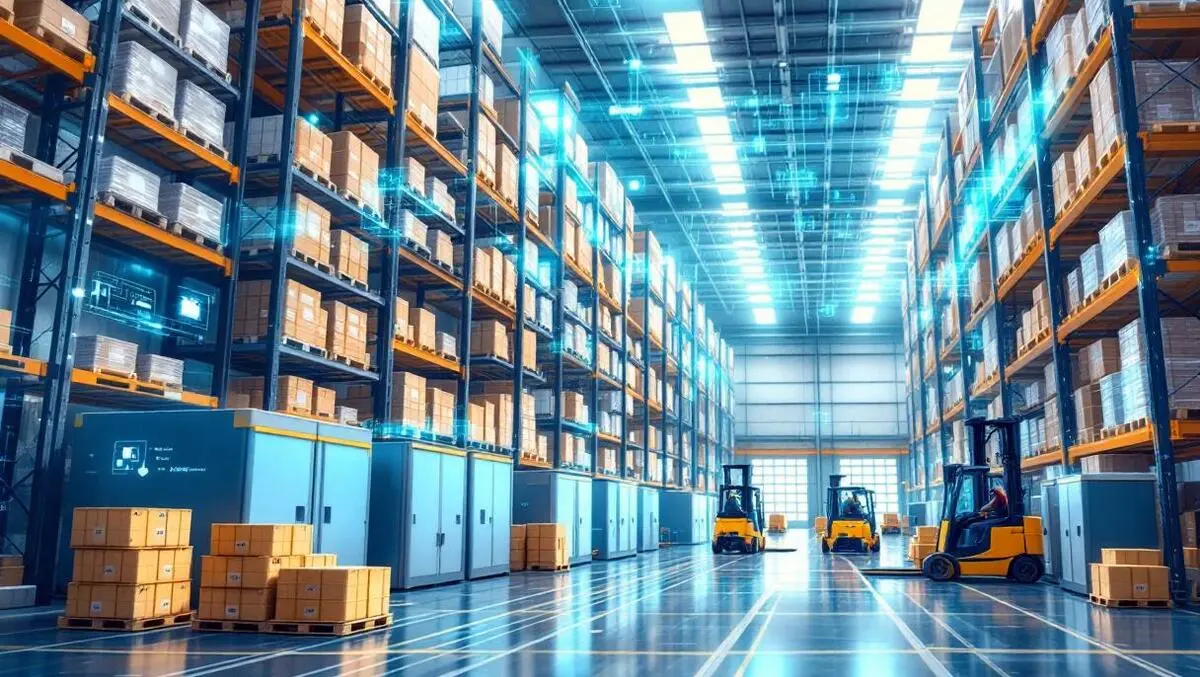
Tech revolution reshapes global cold chain logistics
Fri, 9th Jan 2026
The global cold chain market is entering a period of rapid technological change as logistics operators respond to stricter regulation, rising pharmaceutical volumes and expanding online food delivery.
New research from Persistence Market Research forecasts substantial growth in cold chain infrastructure over the next decade. The firm links this trend to the expansion of biologics and vaccines, the spread of eCommerce grocery services and tighter standards on the handling of temperature-sensitive goods.
Cold chain systems underpin the movement of products such as medicines, medical supplies, fresh and frozen food and chemicals. These products require controlled conditions from production through storage and transport to the point of use. Any break in temperature control can cause spoilage, financial losses and health risks.
Traditional approaches have relied on stand-alone refrigeration, manual checks and paper-based processes. Operators now face more complex international networks, multi-stop routes and heightened customer expectations around freshness and safety. That is driving investment in digital monitoring, automation and data-led planning.
Digital monitoring
One of the most visible shifts is the spread of Internet of Things devices across refrigerated warehouses and vehicles. Smart sensors track temperature, humidity and other variables continuously. These devices send real-time alerts when conditions move outside permitted ranges. Logistics managers can intervene quickly rather than waiting for end-of-route checks.
Real-time tracking also changes how operators manage high-value products. A vaccine shipment moving through multiple hubs can be monitored at each stage. That reduces wastage and supports evidence of compliance during audits. The data generated by sensors feeds into analytics tools that highlight recurring issues, route delays or locations where temperature excursions frequently occur.
Operators use these insights to redesign journeys, adjust loading practices and plan maintenance. That shifts cold chain management away from reactive troubleshooting and towards predictive oversight based on live data.
AI and analytics
Artificial intelligence and advanced analytics now sit on top of these data streams. Algorithms ingest information from sensors, fleet telematics and inventory systems. They forecast demand, propose delivery routes and identify assets at risk of failure.
Predictive maintenance has become a key focus. AI models review performance patterns for refrigeration units and vehicles. They flag equipment that may fail, which allows servicing before breakdowns disrupt operations or compromise stock.
Machine learning also supports commercial planning. Models analyse ordering patterns and seasonality, then recommend inventory levels across cold stores. During peak periods, systems can suggest changes in fleet size, storage allocation or shift patterns. The aim is less congestion at warehouses and smoother fulfilment for retailers and healthcare providers.
Blockchain and traceability
Rising concerns around counterfeit medicines and food safety are encouraging interest in blockchain-based traceability. Distributed ledgers record each handover and location change in a product's journey. The records are designed to be tamper-resistant and visible across manufacturers, logistics providers, regulators and, in some cases, end customers.
Integration with IoT devices creates a combined record of both custody and condition. Temperature readings link directly to specific shipment events. This structure supports recalls, compliance checks and verification of product provenance.
Market watchers note that regulators increasingly reference traceability standards in guidelines for pharmaceutical and food supply chains. That trend is prompting both large operators and smaller logistics firms to examine blockchain pilots and partnerships.
Automation push
Cold storage operators are also turning to automation and robotics within warehouses. Automated storage and retrieval systems move pallets in and out of chilled and frozen zones. Robots assist with loading and unloading tasks that are challenging in low-temperature environments.
Automation can maintain more stable temperatures by reducing door openings and manual handling. It can also support faster turnaround times for vehicles at busy hubs.
Robotic process automation is gaining ground in back-office functions. Software tools process documentation, regulatory reporting and inventory reconciliation. Staff then focus on exception handling and service delivery rather than repetitive data entry.
Sustainability focus
Energy consumption has become a central concern for operators and customers. Refrigeration is energy intensive, and electricity prices and climate policies are shaping investment decisions.
Cold chain providers are deploying smart energy management systems that regulate cooling cycles and monitor power usage in real time. Some firms are adding solar-assisted refrigeration units and higher-efficiency insulation. Others are experimenting with alternative refrigerants and sustainable packaging.
Analysts at Persistence Market Research link sustainability measures with cost control. Lower energy use cuts operating expenses at scale. Environmental certifications and carbon reporting also feature more prominently in tenders from large food and pharmaceutical clients.
Adoption barriers
The research notes that smaller logistics firms and warehouse operators face hurdles in adopting advanced technology. Upfront capital costs for automated systems, IoT rollouts and integrated software platforms can be high. Many operators report shortages of technical skills and concerns around integrating new tools with legacy infrastructure.
Cybersecurity risk is another factor. Networked sensors, fleet systems and blockchain platforms handle sensitive commercial and health-related data. Firms must invest in security controls, monitoring and staff training.
Despite these issues, analysts describe investment in digitalisation as increasingly strategic rather than optional. Growing regulatory complexity, higher service expectations and global competition are narrowing margins for operators that maintain manual processes.
Future direction
Persistence Market Research expects further shifts as emerging technologies mature. Edge computing will process sensor data closer to the source in vehicles and warehouses. Digital twin models will simulate warehouse layouts and transport routes before operators make physical changes. Augmented reality tools may support maintenance and picking tasks in cold environments.
Autonomous and semi-autonomous vehicles remain under trial for both long-haul and last-mile delivery of chilled and frozen goods. AI-based routing and control systems will underpin these experiments.
The firm links the long-term growth of the cold chain market directly with ongoing technology adoption and data-driven management of temperature-sensitive logistics.