

Norton launches Genie scam-check tool in ChatGPT NZ
Thu, 5th Mar 2026
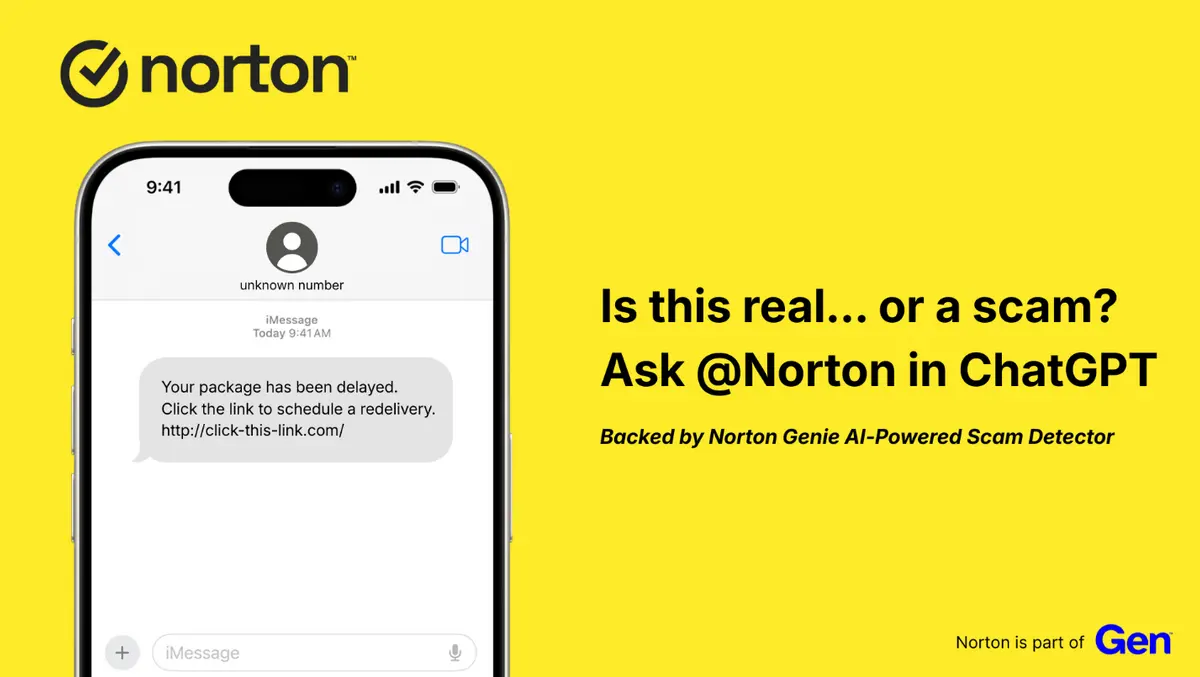
Norton has launched an AI-based scam-checking tool inside ChatGPT for users in New Zealand. It offers guidance on whether suspicious messages and content appear safe, risky, or indicative of a scam.
The tool, called Norton Genie, runs within ChatGPT as an app and accepts pasted text, links, and images. Users can submit suspicious emails, text messages, and other content and receive a response in the chat.
Norton is part of Gen, which is listed on Nasdaq under the ticker GEN. Gen is positioning the ChatGPT integration as a way to access scam analysis in the same place people already go for second opinions on unusual-looking messages.
How it works
Norton Genie in ChatGPT targets common consumer scam scenarios such as delivery notifications, urgent bank alerts, and messages that appear to come from employers, friends, or well-known brands. Users can address the app in a conversation by typing "@Norton", then asking a question or pasting in content.
The app provides a short assessment that categorises the content as safe, risky, or likely a scam, along with practical next steps such as not replying, avoiding links, or deleting the message.
The approach combines analysis of a message's language and context with checks of URLs and domains. It is designed to identify common scam patterns such as impersonation, pressure to act quickly, and requests for sensitive information.
While some threat-detection tools focus mainly on whether a web address appears on known blocklists, Norton says Genie examines the broader content of a message as well as the technical indicators behind it.
Scams as a volume threat
The launch reflects how central scams have become to consumer cyber risk. Gen's latest threat reporting said more than 90 percent of threats targeting people in 2025 came from scams, phishing, and fake advertisements.
That mix includes messages designed to look routine. Attackers often mimic branding, tone, and formatting from banks, delivery firms, online marketplaces, and government services, and use emotional triggers to rush recipients into quick action.
Gen is also targeting a shift in how people evaluate suspicious content. Many consumers now paste text into general-purpose AI chat tools to ask whether a message looks legitimate. That trend has raised questions about accuracy, personal data handling, and how consumers should treat outputs from systems that are not dedicated security products.
Gen said the ChatGPT integration brings its security intelligence into the moment when users are deciding whether to click a link, make a payment, or provide personal information.
"AI is quickly becoming part of our daily lives. People are already asking ChatGPT whether they should click, pay, or respond," said Leena Elias, chief product officer at Gen.
"With Genie in ChatGPT, we are extending Norton's scam analysis and advice directly into those conversations. In addition to the comprehensive protection people receive with Norton 360, we're helping them make safer decisions in the moment," Elias said.
Access and availability
Norton Genie is available through the Apps section in ChatGPT where apps are supported. The Norton app works across Free, Plus, Team, and Enterprise tiers in markets and environments where the Apps feature is available.
Once connected, users can invoke the tool with "@Norton" and submit content in a chat, including follow-up questions about what looks suspicious and what to do next.
New Zealand is the first announced market for the ChatGPT version of Genie. The launch comes as consumer security providers seek new distribution points beyond standalone applications, browser extensions, and email filtering, including within the tools people use for daily work and personal communication.
Gen has not disclosed how the app will be priced over time or whether it will expand beyond New Zealand. Elias framed the launch as part of a broader push to put scam-checking closer to the point where consumers make decisions online.