

Oravida turns to solar to power export-focused growth
Thu, 5th Feb 2026
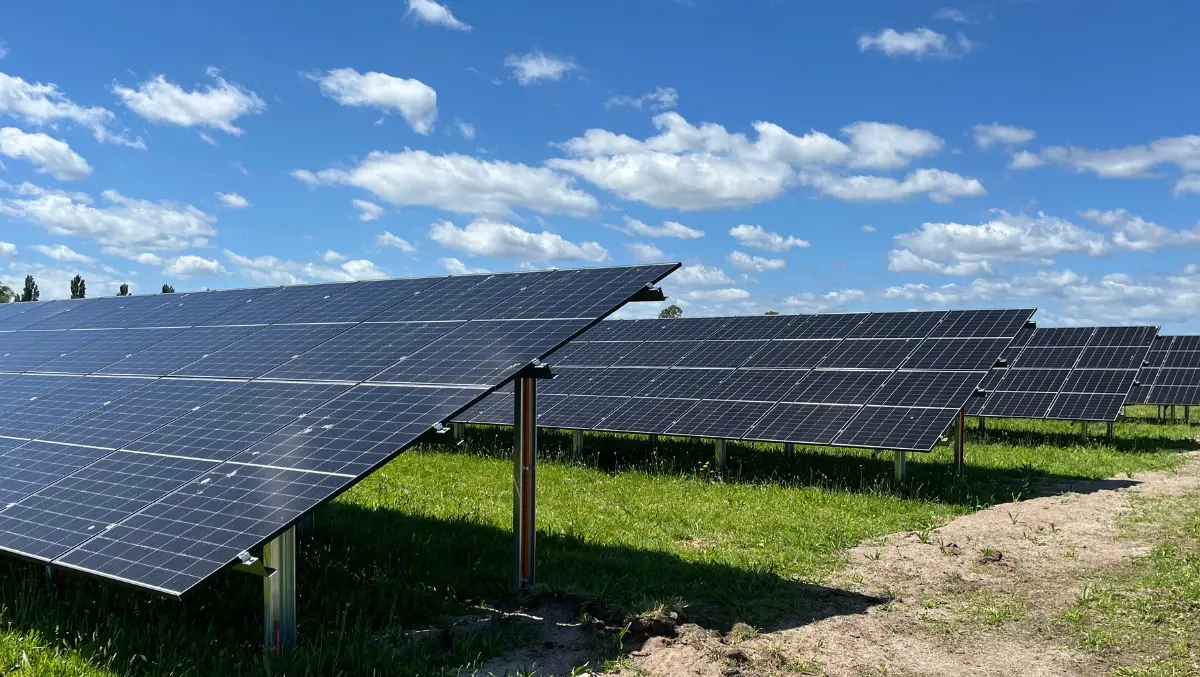
Bay of Plenty bottled water exporter Oravida has installed a ground-based solar farm at its Otakiri bottling plant, now supplying about two-thirds of the electricity used in day-to-day operations.
It links the move to its export plans, saying sustainability requirements have become central to procurement for luxury hotel groups in Asia, North America and Australasia.
Oravida says the project is the first time a New Zealand bottled water operation has integrated large-scale solar generation directly into production. It is also positioning the build as a template for rural manufacturing sites with available land that face rising energy costs and more frequent power interruptions.
Solar build
The on-site installation has a capacity of 144 kilowatts. Completed late last year, it produces enough electricity at peak generation to match the equivalent demand of about 40 to 50 average New Zealand homes.
The system supplies most of the plant's needs during daylight hours, aligning with the site's highest production demand. The bottling operation has a potential capacity of 30,000 bottles a day.
Unlike many commercial solar projects that use rooftop space, the system sits on open land. Oravida says this layout improves access for maintenance and leaves room for expansion as output grows.
It also points to resilience benefits for the rural site. Otakiri experiences multiple outages each year, it says. The system is not a full back-up, but it can reduce exposure to grid disruption during daytime production.
Oravida cited industry data showing a long-term decline in electricity reliability in New Zealand, with outages and outage duration increasing over the past decade. It says rural manufacturers can face higher exposure because of longer distribution lines, weather-related faults and fewer network redundancies.
Export focus
Oravida exports about 85% of its output and sells the remainder domestically. The brand is already stocked in Mandarin Oriental and The Peninsula Hotels in China, it says.
In New Zealand, it says its water is served in selected five-star properties, including JW Marriott. The company has focused on premium hotels and fine-dining venues rather than mass-market retail.
Oravida expects export volumes to increase by up to 40% next year as it expands in overseas markets and signs new supply agreements with luxury hotels. It is also preparing to enter Australia for the first time, with an initial shipment scheduled for February, and says it is laying the groundwork for expansion into the United States.
Procurement pressure
General manager Robyn Farmer said international hotel groups now place heavy weight on sustainability documentation in supplier assessments.
"This is about future-proofing the business. Sustainability is no longer optional if you want to work with international luxury hotel brands. It has become a baseline requirement," said Farmer.
She said the burden of reporting in many tender processes has shifted beyond product information to carbon and social metrics.
"In many cases, more than half of the application is focused on sustainability, carbon reduction and social responsibility. If you cannot tick those boxes, the door simply does not open," said Farmer.
Oravida says it is undertaking formal carbon measurement and certification in preparation for future procurement requirements, and has provided an estimate of operational emissions reductions from the solar installation.
Based on typical commercial electricity emissions factors, it expects the solar farm to cut operational carbon emissions by about 960kg of CO2 per year. It said the figure will vary depending on production levels and grid conditions.
Packaging changes
Oravida Waters has operated since 2015, producing bottled water and 10-litre bag-in-box water for customers in New Zealand and overseas.
The business plans to introduce aluminium bottles alongside its existing glass packaging. Farmer said the shift supports the company's sustainability strategy and enables sales into channels such as premium golf courses and outdoor hospitality settings where glass is not suitable.
Oravida also argues product attributes matter in premium dining settings, describing its water as naturally soft, with high silica and low total dissolved solids, compared with harder European mineral waters.
"Ten years ago, sustainability simply wasn't part of the conversation with customers at home and in Asia. Today, it's central to how premium hotels select suppliers," Farmer said.
Oravida expects to increase staffing at the Otakiri operation and introduce extended production shifts over the next 12 months as it pursues growth in Australia, the United States and Asia.