Carbon emissions stories
A fixed link could cut the crossing to 40 minutes, but a Cook Strait tunnel would cost about NZD $50 billion and stretch funding to breaking point.
A new global standard could give builders and lenders a common way to compare a building’s whole-life greenhouse gas emissions.
Hourly Auckland-Hamilton rail could be built for the cost of one highway project, the commentator says, with freight also benefiting.
Power Trip's 'Game Plan' app, aiming to expedite New Zealand's switch to electric vehicle fleets, provides advanced analytical tools.
Intel introduces its new vPro platform, powered by Core Ultra processor, promising clients enhanced security, manageability and AI experiences; revolutionising business technology in 2024.
Colt Technology Services, in collaboration with Versa Networks, delivers its 1,000th SD-WAN service across 55 countries, significantly reducing global customers' connection time and enhancing network security.
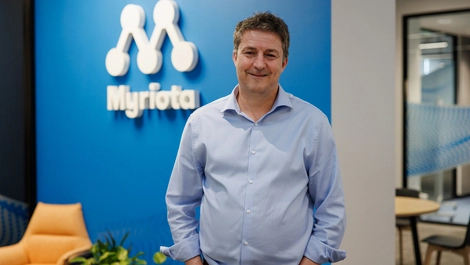
Australian satellite IoT firm, Myriota, appoints Robert Barnes as VP EMEA, marking a significant stride in global expansion after successful growth in APAC and the Americas.
Businesses must directly tackle carbon emissions for financial savings and reputation; enterprises are urged to follow five steps towards digital sobriety and cleaner carbon health.
Huawei and Yancheng Power Supply Company's joint venture, the Net Zero Carbon Intelligent Campus Project, earns the prestigious Energy Globe Award for a modern blend of clean energy and digitalisation.
ArcelorMittal France has leveraged Getac's robust computing solutions, including rugged tablets, to enhance maintenance and production operations since 2020, improving productivity and efficiency.
Wokingham-based tech firm Nebula Global Services announces a sustainability-driven blueprint as an integral part of its rebranding strategy, aiming to transform the international tech services industry.
APAC construction sector focuses on sustainability, buoyed by the global aim to reach net zero emissions, according to a whitepaper by Autodesk.
AI, sustainability, social commerce, and value provision will redefine retail and online sectors in 2024, predicts ecommerce specialist, Paul Waddy.
Acer seeks carbon neutrality with its Aspire Vero 16 AI PC featuring Intel Core Ultra 7 and Aspire Go 14 laptops, utilising post-consumer recycled materials and aiming to reduce emissions throughout their lifecycles.
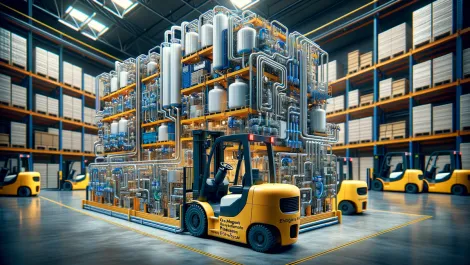
Plug Power installs electrolyzer system at Amazon's Colorado centre, contributing to the green hydrogen economy and powering over 225 hydrogen fuelled forklift trucks.
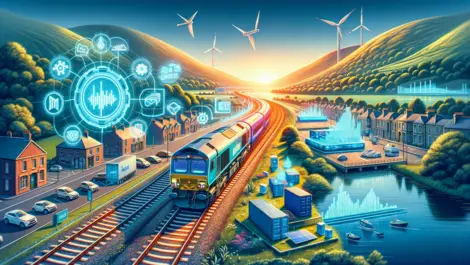
The Global Centre of Rail Excellence (GCRE) teams up with Mavin Powercube to incorporate a customised Powercube into their South Wales rail innovation site.
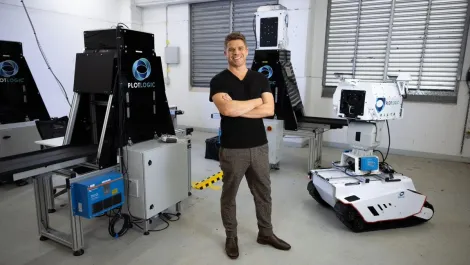
Small Australian tech firms, including innovators Plotlogic and global drone solutions, drive sustainable innovation and efficiency in global mining; key players in the industry's 'race to net-zero'.
Deep Green's innovative technology that transforms data centre waste heat into community benefits receives a £200m investment from Octopus Energy, leading to potential UK-wide energy reductions.
Over half of UK businesses fear unintended 'greenwashing' due to unclear carbon footprint reporting, as gov't considers stricter emissions disclosure rules.
E& enterprise partners with Fintech startup, Fils, to pioneer a sustainable digital payments system in the UAE, allowing customers to offset carbon emissions with each transaction.