Carbon emissions stories
Aucklanders could gain a faster, more connected transport network if the government and council back a billion-dollar light rail plan.
Motorists could face higher pump prices as New Zealand's sustainable biofuels mandate aims to curb transport emissions from April 2023.
Technology could cut waste and carbon emissions in construction as firms tackle delays, labour shortages and rising budget blowouts.
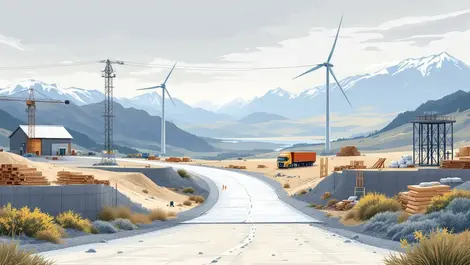
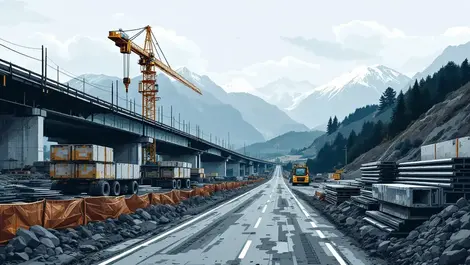
Delays and higher costs are looming for major infrastructure works as New Zealand struggles to secure enough gravel, timber, cement and steel.
Delays and cost pressures are looming for major works as New Zealand struggles to secure key construction materials, a new study finds.
A $5 billion tunnel premium and 489 property buys have raised doubts over whether Auckland’s preferred route is worth the extra cost.
The bill could unlock up to 105,500 extra homes in major cities by letting most sites add three storeys without resource consents.
Consumer demand for stylish smart switches has put three Schneider Electric PDL products among finalists at New Zealand's Best Design Awards.
New Zealand has already warmed 1.1°C, with the IPCC warning of more coastal flooding, fires and heavier rainfall ahead.
Internet and technology company Tencent has announced it plans to become carbon neutral by 2030 across its operations and supply chain.
Cloud buyers are increasingly taking carbon emissions into account, with Gartner predicting it will be a top criterion by 2025.
Strong financial outcomes and sustainability focused leadership is required for long term impact, according to a new report from IDC.
AI tech to contribute 70% of carbon emissions reductions by 2060, says IDC and Baidu whitepaper. Over 35 billion tons of emissions to be reduced.
Emmi, an Australian fintech specializing in carbon risk solutions, has raised $3.5m to support global expansion of its Global Carbon Efficiency Rating (GCER).
Vertiv has announced the Clean Hydrogen Partnership will provide €2.5 million to help fund a project developing low-carbon fuel cells to power data centres.
New research has determined that fibre is the best broadband option for consumers concerned about carbon emissions.
Aspen Technology releases aspenONE V12.2 software, offering sustainability models and product capabilities to accelerate digitalisation efforts.
Technology innovation will play a central role in tackling climate change and achieving carbon reduction goals.
The tool gives customers insight into the greenhouse gas emissions associated with using Microsoft cloud services.
By investing in the rapid advancement of digital technology, businesses can find new ways to get ahead of the competition and create impactful social change.