Energy sector stories
Reduced livestock numbers and wetter weather helped drive a 2 per cent fall in New Zealand’s gross greenhouse gas emissions in 2023.
Fire on the Hill bolsters U.S. presence with new senior hires and key client wins across tech, travel, education, and energy sectors, expanding its New York base.
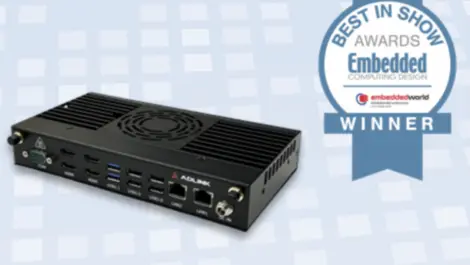
ADLINK's EMP-520 Series compact box PC, powered by Intel 14th Gen Core, wins Best-in-Show at embedded world 2025 for robust industrial performance.
Rimini Street appoints Joe Locandro as EVP and CIO to lead global IT and innovation, boosting resilient solutions for its worldwide clients.
Nearly 40% of global industrial firms, rising to 45% in APAC, cite cybersecurity as a major hurdle in the digitalisation of Operational Technology environments.
M Group to acquire Telent, enhancing digital infrastructure services and expanding sector reach, pending regulatory approval in the UK and Ireland.
Ardoq appoints Brian Zeman as Chief Revenue Officer to drive global growth, focusing on expansion in the Americas and enhancing enterprise architecture solutions.
IFS Ultimo plans to quadruple its indirect sales by 2030, expanding its partner network across key global regions and enhancing its EAM software offerings.
PrePad has secured USD $2.8 million in seed funding to bolster its oil and gas drilling software solutions following support from Devon Energy and Chevron.
The enterprise IoT market is set to bounce back in 2025, with a projected annual growth rate of 14% driven by AI and software solutions, says IoT Analytics.
Panzura has unveiled an integration of its Symphony platform with IBM Storage Deep Archive, enhancing data archiving with secure, low-cost solutions.
IGEL has unveiled its Managed Hypervisor, enhancing security for legacy operating systems on modern hardware, bolstering enterprise IT infrastructure.
NetFoundry unveils an enhanced operational technology security platform aimed at bolstering critical infrastructure protection across multiple environments.
Research by IoT Analytics predicts that industrial automation spending will soar to USD $350 billion by 2030, revealing key trends across major global players.
Worley partners with Dell Technologies to launch an AI Factory, aiming to revolutionise project delivery and enhance innovation within sustainable energy.
Singapore braces for increased cyber threats as General Election nears, with businesses urged to strengthen defences amid rising geopolitical tensions.
Biza.io appoints Kam Rafiei as Product Lead to boost Consumer Data Right services amid rising demand from non-bank lenders under new CDR rules.
A study reveals 76% of Australian firms faced high-impact cyber incidents last year, the highest among surveyed countries, exposing gaps in crisis readiness.
Google Canada has chosen 14 startups for its sixth Google for Startups Accelerator: Canada, a three-month AI-focused, equity-free programme.
Comms Group achieved record March 2025 revenue of $5.0 million, driven by global expansion and major new contract wins across diverse sectors.