Intellectual property stories
The new platform aims to cut breach risk as firms let AI agents use more systems, with 40% of developers leaving their access in place.
Downstream AI data leaks have more than doubled in a year, with connected services now returning unauthorised information to staff and agents.
Banks and insurers could soon grant AI agents narrower, time-limited access to sensitive systems under Daon's new patent.
Fans in Australia and New Zealand can now reserve a limited-run collectible that recreates the 1986 film's fallen Optimus Prime scene.
Greater exposure to remote attacks is worrying carmakers, as high-severity automotive cybersecurity flaws jumped to 161 in the second quarter.
Approved AI tools are cutting shadow use by staff, but Cohesity warns the bigger risk is corrupted enterprise knowledge and weak governance.
Australasian universities facing an October cyber deadline get round-the-clock local monitoring to better protect sensitive research and student data.
The tie-up gives GCM a route into data-centre cooling as AI build-outs intensify power and water pressures on operators.
Insurers face accumulating losses if the same AI platforms sit undetected across multiple policyholders, KYND has warned.
The deal underpins Speedata's bid to cut server counts and costs in data-preparation and ETL workloads as analytics chips get more specialised.
The findings suggest luxury brands face an industrial counterfeit trade on TikTok, with 4,904 suspect videos drawing more than 2.2 million views.
Rising concern over shadow AI has prompted Cloudbrink to bundle endpoint monitoring, data loss prevention and secure connectivity for enterprises.
The deal should help Fortinet boost supply chain resilience while accelerating development of its next security processor, SP6.
Businesses using AI face growing pressure to prove answers are accurate and authorised, as Mithra AI adds cryptographic checks to enterprise data.
AI-driven phishing and state-linked espionage are pushing Asia-Pacific incident numbers higher, with data breaches still the biggest threat.
A firmwide AI trial has produced tools to streamline repeat deal work, as 43 summer associates built prototypes with Vanderbilt University.
New AI rules could reshape data centre investment and copyright battles, but Labor must still turn Anthony Albanese's promises into action.
The deal lifts Hydrix's medical robotics push, with revenue to be recognised progressively in FY2027 as it supports Remedy's N1 platform.
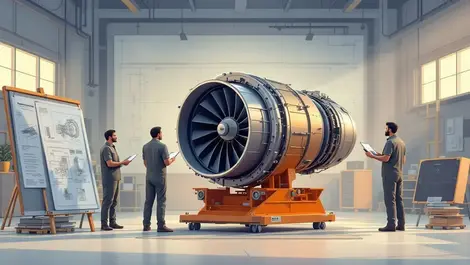
Funding is being sought to take India's first privately developed 4.5 kN turbofan from design into testing for a long-range missile platform.
As AI chips strain power delivery, the Arizona firm is adding senior packaging veterans to turn its technology into commercial sales.