Public Transport stories
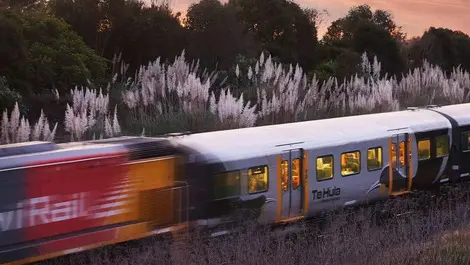
Passengers heading into Auckland now face a Papakura transfer after Te Huia was barred from the electrified network following two red-signal incidents.
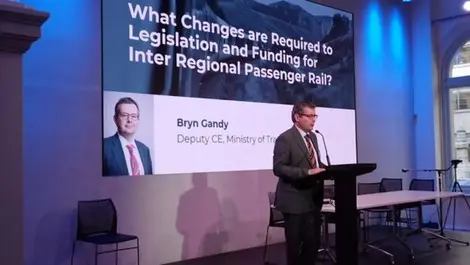
Passenger rail could cut emissions and widen access, but chronic underinvestment and patchy national coordination still hold New Zealand back.
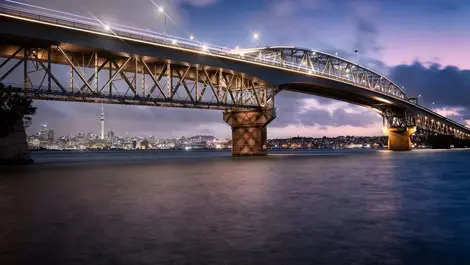
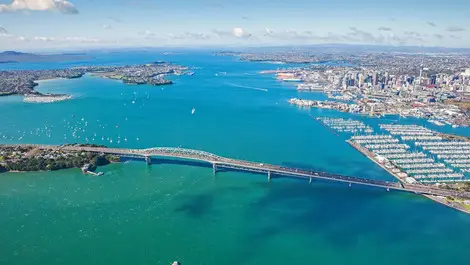
Auckland businesses face repeated disruptions as the transport agency’s lower wind thresholds keep forcing Harbour Bridge closures and delays.
Auckland Council says it was blindsided as Kāinga Ora weighs taking over planning for suburbs on the light rail corridor, overriding local plans.
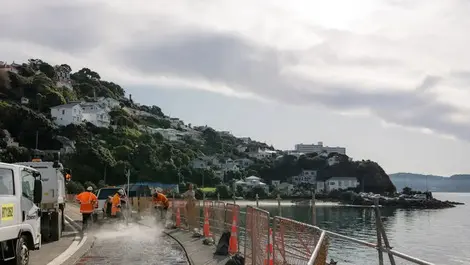
The new paths should help Wellington residents travel more easily while diverting waste concrete and asphalt from landfill.
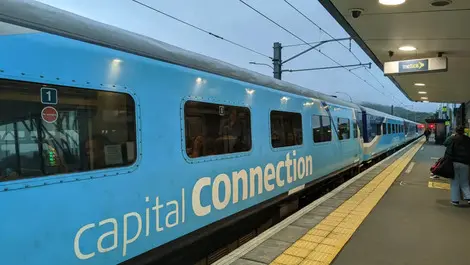
Passengers could see little benefit from the refurbished Capital Connection fleet, which is expected to be idle most of the time without new services.
Rents in Auckland’s outer suburbs have climbed faster than in the city centre since Covid-19, as working from home shifts demand.
Auckland Transport risks paralysis if it keeps seeking public input on tiny road changes already covered by approved plans.
The plan could cut central-city housing capacity, even as stronger transit-zone density and funding reforms win praise from some analysts.
Infrastructure New Zealand wants parties to back simpler funding, congestion charging and stronger oversight to tackle the country's infrastructure deficit.
Critics say the spending will still leave New Zealand’s infrastructure deficit and weather damage unaddressed without a clear pipeline of work.
Public consultation on the Waitematā Harbour crossing begins with options costing up to GBP £12.5 billion and facing carbon concerns.
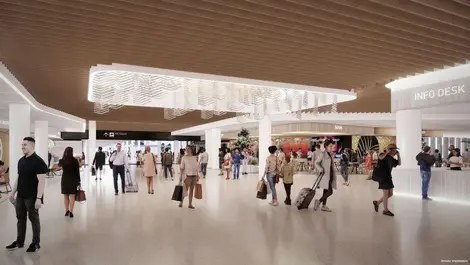
Travellers will soon pass under one roof as the airport replaces its ageing 57-year-old domestic terminal in a NZD $3.9 billion rebuild.
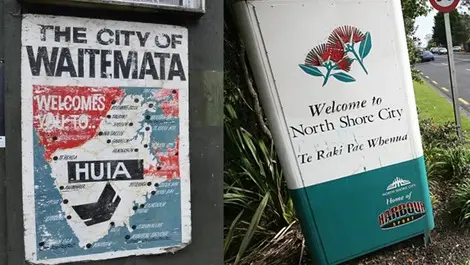
Auckland ratepayers are facing renewed scrutiny of amalgamation as critics say bigger councils bring higher costs, weaker oversight and less local control.
Honeywell is working with Link Alliance to install integrated control system and communications system for Auckland's City Rail Link Project.
Critics say the extension shifts more than NZD $1.3 billion a year from roads to petrol discounts, favouring higher earners over low-income households.
Disconnected suburban layouts can raise costs, limit transport and walking, and make everyday errands and school trips harder for families.
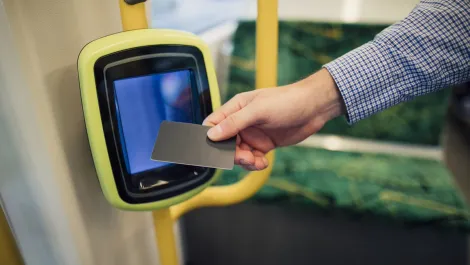
New forms of travel media like biometrics and ultra-wideband will be easier to adopt without drastically altering the back office.
A key challenge for the DFC was the need to integrate modern technology and systems to ensure seamless and efficient operations.
Simon McLevie, VP of Business Development at Cubic Transportation Systems, has been elected to the board of directors of ITS Australia.