

Canva backs 'Imperfect by Design' trend in 2026 report
Mon, 12th Jan 2026.webp)
Canva has published its latest Design Trends Report and launched a new personalised “Design DNA” recap feature for users.
The company said the report draws on design and search activity across the Canva platform, plus input from its Designer Advisory Board and a survey of 1,000 creators in the US and Brazil. It said the findings point to a shift in creative taste towards work that looks more personal and less polished, even as creators continue to use AI tools in their workflows.
Canva also reported sharp growth in several search themes that it links to the emerging direction of visual culture in 2026, including DIY-inspired elements, lo-fi aesthetics, editorial-style layouts and minimalist branding.
Imperfect Aesthetic
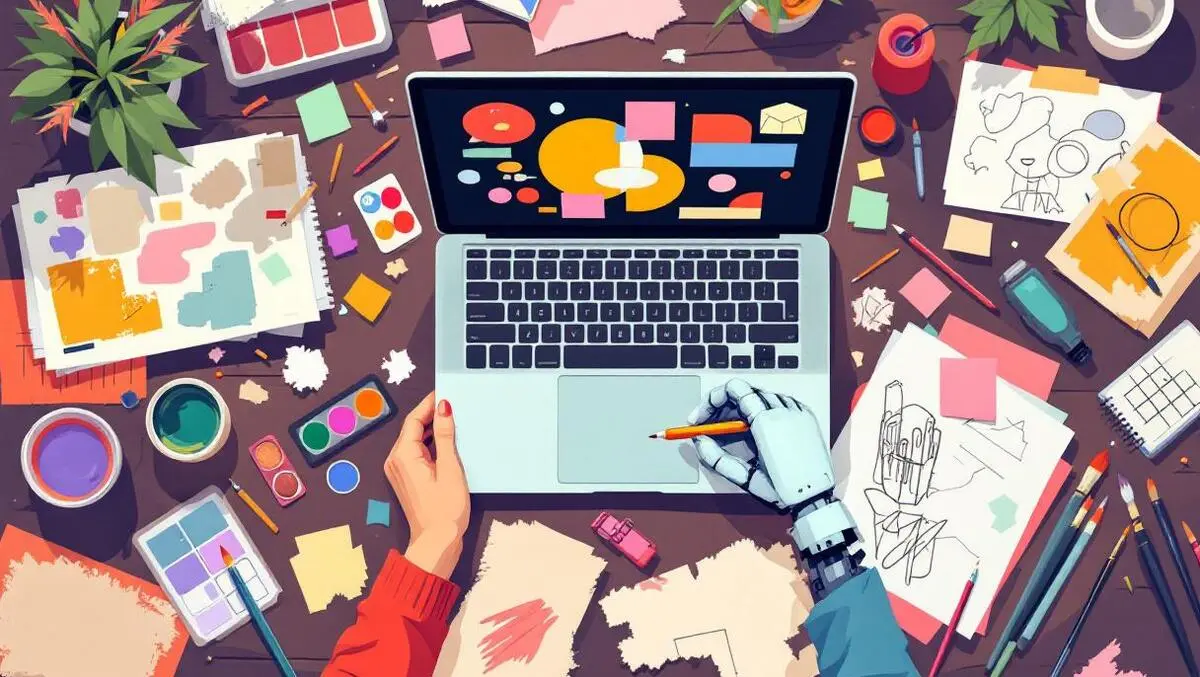
Canva framed the report around a theme it called “Imperfect by Design”. It said the platform has recorded a 90% rise in searches for DIY-inspired and collage-related elements, alongside growing interest in styles that look raw or handmade.
The company said 80% of creators surveyed agreed that “2026 is the year we regain creative control”. It added that 77% of respondents described AI as an “essential partner”.
Cat van der Werff, Executive Creative Director, Canva, described the company's view of how creators plan to work with AI tools while seeking a more human feel in their output.
“As more and more creators turn to AI to help them express themselves visually, we believe 2026 marks the year of Imperfect by Design, a time when blending AI seamlessly with human imagination and creativity has never mattered more. Canva was built for this shift, to empower anyone to use AI on their terms and bring their ideas to life in a way that feels personal, authentic, and unmistakably human,” said Cat van der Werff, Executive Creative Director, Canva.
Search Signals
Canva highlighted several platform-wide shifts that it said reflect changing preferences among creators and brand teams. It reported an 85% increase in searches for zine and Substack-inspired layouts. It linked this to a move towards editorial-style storytelling and longer-form narratives.
The company also pointed to a 54% rise in searches for “clean layout”, “serif”, and “simple branding”. It characterised this as a move away from more crowded design styles.
At the same time, Canva said users have increased searches for nostalgic visuals. It reported a 527% surge in “lo-fi aesthetic” searches, which it described as tied to early internet references and emotional expression.
Canva also cited a 220% jump in searches for “liminal” and “uncanny” content. It said this reflects a growing appetite for visuals that blur boundaries between the real and surreal.
Ten Trends
The report groups its predictions into 10 themes. They include “Reality Warp”, which Canva said relates to creators blending the real and the surreal. Another is “Prompt Playground”, which it said combines experimentation with retro-tech and early-internet references.
Canva also listed “Explorecore”, which it linked to audience fatigue and a preference for calmer layouts, and “Texture Check”, which it tied to interest in realistic surfaces and materials. Canva said searches related to realistic textures on the platform have grown 30%.
Other trends include “Notes App Chic”, which it described as scrapbook-style visuals and behind-the-scenes authenticity, and “Opt-Out Era”, which it linked to pared-back branding and cleaner compositions.
Canva's list also includes “Drama Club”, which it said reflects a rise in cinematic storytelling motifs in social content and video. It said interest in “mockumentary”, “dramatic spotlight”, and related motifs has risen 27%.
Regional Themes
Canva also highlighted trends it said show up strongly in specific markets. It said “GrannyWave” in India draws on nostalgia and cultural motifs. It cited growth in searches for “Desi” and “Hindi typography” of 26% and 17%.
In Mexico, Canva identified “Zinegeist” and described it as a renewed DIY zine movement. It said related searches such as “brutalist design” and “type poster” rose 77% year on year.
For Spain, Canva listed “Block Party”. It said searches for “Estética Tradicional” and “Folklore Urbano” reached 1.5 million impressions.
Design DNA
Alongside the report, Canva launched “Design DNA”, a feature that generates a personalised recap of a user's design activity during 2025. Canva said the feature uses AI to analyse design habits and produce a recap of creative output.
The company said Design DNA generates a creative identity card that categorises users with labels such as Font Stylist, Prompt Picasso, Chatter Box, or Newbie. Canva said it generated more than 111 million unique Design DNA assets last year.
Canva said it expects creators and brands to continue mixing AI-driven production with styles that show personal taste and visible imperfections through 2026.