

Teletrac Navman study links onboarding to driver trust
Wed, 19th Aug 2026
Teletrac Navman has published research linking stronger driver acceptance of safety technology to better onboarding by fleet operators, highlighting a sharp gap in how fleets introduce monitoring and coaching tools.
Drivers who felt well prepared were three times more likely to rate their coaching system as highly effective: 74% gave it a strong rating, compared with 19% of those who said their preparation was lacking. Yet one in five said monitoring technology had been installed with little or no communication from management.
The research comes as transport operators face pressure to improve road safety, manage insurance and claims costs, and retain experienced drivers in a tight labour market. It suggests the way safety systems are introduced can determine whether drivers see them as useful support or a source of distrust.
Privacy emerged as a central issue. Almost half of drivers surveyed, 45%, said surveillance concerns were their biggest issue, while 30% said clear proof that technology was being used to protect them, rather than simply watch them, would encourage them to stay with their employer.
Unclear rules on data use were identified as a major factor behind those concerns. The report found 47% of drivers would trust the systems more if they could easily view their own data, while 43% said fair and consistent use of data across all drivers was important.
Driver apps were the preferred way to provide that access, with 60% of respondents favouring mobile tools to see what information was being recorded. The findings suggest transparency around data collection and clear policies on how managers use it may matter as much as the hardware fitted to vehicles.
"Technology alone doesn't drive safety outcomes, preparation does," said Alain Samaha, Chief Executive Officer, Teletrac Navman.
"Monitoring technology is most successful when it balances fleet goals and driver needs, and that starts with strong onboarding. Organisations that prioritize the people element see the real payoff: safer drivers, fewer claims, and a workforce that sticks around."
Coaching impact
The report also examined how feedback affects driver performance and retention. While 99% of drivers said they received some form of feedback, only 51% said it included positive recognition, while 32% said they had experienced disciplinary action.
That imbalance matters because recognition appears to carry weight with drivers. Some 37% said it was a factor in staying with an employer, and 52% said proactive feedback such as scorecards and performance breakdowns improved both driving quality and workplace pride.
By contrast, only 21% said financial bonuses had the same effect. The findings suggest fleets may gain more from regular, constructive engagement than from cash incentives alone.
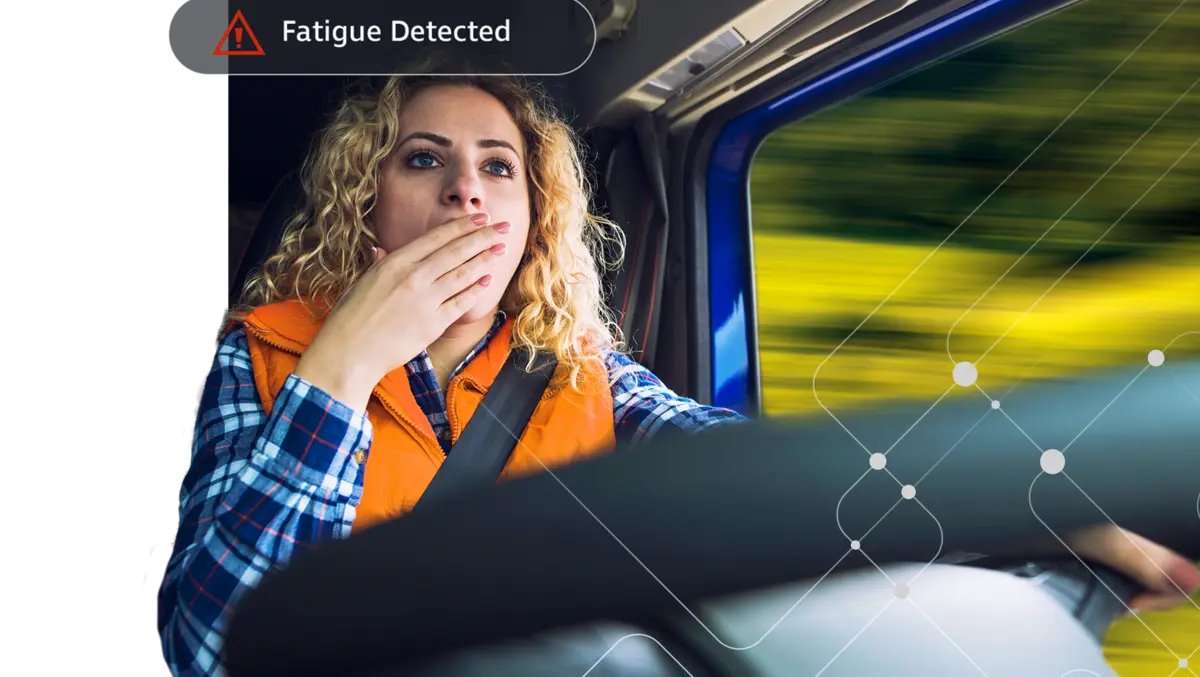
Real-time coaching in the cab was also linked to fewer near misses. More than half of drivers who received real-time in-cab coaching, 56%, said they rarely experienced a near miss, compared with 47% of those without real-time alerts.
That gap points to a practical distinction between systems that warn drivers in the moment and those that rely on later review of footage or data. For operators, the difference has implications for accident prevention, claims exposure, and the quality of conversations between managers and drivers after incidents.
After accidents
The study found accidents and collisions can have lasting effects on driver confidence and mental wellbeing. More than a third of respondents, 38%, said they experienced increased stress or anxiety after a negative event, while 17% reported reduced confidence.
Drivers also expressed concern about the consequences of incidents beyond the immediate collision. A quarter said they worried a negative event could lead to loss of licence, 20% feared formal disciplinary action, and 17% were concerned about financial penalties.
Those responses underline a broader challenge for fleet operators. Safety systems are often presented as a way to lower risk, but if drivers believe the tools are mainly tied to punishment, operators may struggle to secure cooperation or improve behaviour over the long term.
Samaha said visibility over personal data was essential where trust had weakened. "If an operator finds itself in a difficult position with its drivers, providing visibility of personal data is essential to rebuilding trust.
"Drivers are not anti-technology, but they will be skeptical without transparency around data processing and management, and how it will affect them.
"Drivers returning to the cab with eroded confidence, or second-guessing decisions because they feel more anxious, may face a higher risk of future incidents.
"Choosing the right safety system with real-time capabilities, and building trust in it, is therefore imperative for driver wellbeing as well as operational performance."